
Map
BRASS HELL map guide: factory layout, station roles, the delivery area, spawn location and how to hunt the scattered documents buried in the blizzard.
Introduction
The map category turns BRASS HELL's blizzard-buried factory into a readable space. The game opens with little orientation — you clock in somewhere in a snow-covered plant, an order appears, and you are expected to find the press, the crates and the delivery point on your own. These pages map the factory: where you spawn, where the press floor sits, how the packing area connects to the delivery point, which corners belong to the workshop and where the blizzard edge of the site hides quiet spaces players rarely visit. The category also shines a light on the game's slow-burn mystery layer: documents scattered across the facility that piece together what happened in the plant before you arrived. Because the developer has not released an official map or document checklist, the location articles here use a methodology — how to search systematically, which room types to scan, what document hotspots players report — rather than a fake coordinates list. Map players use the layout pages to plan efficient runs; lore players use the document pages to chase the story; and new players use both to stop feeling lost inside the first ten minutes. All content is dated 2026-10-31 and flagged wherever spawn behavior seems to shift between updates.
Factory Zones Quick Guide
| Zone | Role | What You Do | Hidden Interest |
|---|---|---|---|
| The Press floor | Core production | Operate the press and craft rounds | Materials and stations cluster here |
| Packing area | Mid-loop storage | Fill wooden crates with rounds | Check corners for loose documents |
| Delivery point | Earnings gate | Carry completed crates out | Corridor walls often hide pieces of lore |
| Workshop corner | Upgrade hub | Spend earnings on upgrades | Shelves near the workshop hold files |
Factory Zones Overview
The Press Floor
The productive heart of the factory — materials converge here, the press sits central and rounds leave for the line.
Packing Area
The mid-loop staging zone where finished rounds become shippable crates between press and delivery.
Delivery Point
The earnings gate at the end of the loop — only crates that reach it convert work into progress.
Workshop Corner
The upgrade hub that hooks into the loop economically — earnings stop here to become factory power.
Core Mechanics
Reading the BRASS HELL factory as a map starts from a simple observation: the production loop defines the floor plan. The press floor is the heart — materials arrive nearby, the press sits at the center, and finished rounds move out to the line. The packing area sits within one flow of the press because that is where finished rounds become crates; the delivery point anchors the opposite end because the loop only pays off there. The workshop corner connects to the loop economically rather than physically, acting as the spending station between deliveries. Around and between these four zones are the blizzard edges — quiet shelves, corridors and storage spaces that see little production traffic, which is exactly why the document hunt lives there. The map articles use this zoning to give readers two practical reads: an efficiency read, in which you plan the shortest path from press to crate to delivery; and a lore read, in which you sweep the low-traffic zones where documents are more likely to catch your eye. The spawn logic matters too — where you load in determines the first route you take, and the spawn-location page explains what players actually see at the start. Because no official blueprint exists, every coordinate-style claim here is played down in favor of relative directions and search methodology, so the map stays useful even if the developer reshuffles positions in a future patch.
Key Advantages
The map category's biggest advantage is that it solves a real first-impression problem: BRASS HELL's blizzard setting makes the factory feel bigger and more confusing than it actually is, and first-time players often burn their opening minutes wandering. The zone-based pages fix that by giving the facility a mental grid — press floor, packing area, delivery point, workshop corner — so every station has a place in your head from the first session. The category also doubles as the wiki's main lore gateway, because the scattered documents are both a gameplay collectible and the game's primary storytelling device; the find-all-documents and what-happened-here pages turn map exploration into narrative payoffs. There is genuine search demand behind all of it — players look for BRASS HELL factory maps, document locations and story explanations — and this category is one of the only dedicated sources, since the game launched without an official map. Finally, the methodology framing keeps the category honest and evergreen: search techniques and zone logic stay useful even when specific positions shift, which is more than a coordinate list could promise.
Challenges & Weaknesses
The map category works within two hard limits. The first is the absence of an official map: the developer has not published a blueprint, so the factory layout articles are built from observed zones and relative directions rather than a verified floor plan. The second is document scarcity — the developer has not confirmed how many documents exist or where they spawn, so location claims stay community-observed and can drift between updates; a Halloween patch can quietly reshuffle spawn spots. This forces the category to favor search methodology over specific coordinates, which is honest but less satisfying for readers who want a check-the-box list. There is also an expectation-management risk: lore hunters arrive hoping for a full story reveal, while the game itself only teases the mystery, so the category must set boundaries between what the documents currently show and what remains unexplained by design.
Frequently Asked Questions
Where do I spawn in BRASS HELL?+
How many documents are there?+
What do the documents actually reveal?+
Is there an official map?+
Quick Tips
Learn the four-zone mental grid before anything else: press floor, packing area, delivery point, workshop corner. The moment you can place each station inside that grid, the blizzard stops being a confusing whiteout and becomes a productive floor. Everything else on the map — document hunts, shortcuts, efficient runs — builds on that one mental scaffold.
Sweep low-traffic zones for documents after big updates. The Halloween refresh re-touched the map, and community chatter suggests spawn behavior can shift between patches. When an update drops, re-walk the corners and shelves you cleared before — the places players rarely visit are precisely where new or moved documents show up first.
Route the delivery run, not just the craft. Progression maps are easy to misread as crafting tutorials, but in BRASS HELL the shortest press-to-delivery path is the part you repeat most. Note which route avoids the packing-everything-first trap: pack one crate fully, then walk it straight to the delivery point, then return for the next — that loop path is your real map.
When exploring, look for evidence, not coordinate promises. Since no official map or document checklist exists, trust pages that teach you how to search — which room types to scan, what a document looks like, where players tend to find them — over anyone promising exact positions. The methodology keeps working even when positions move.
Featured
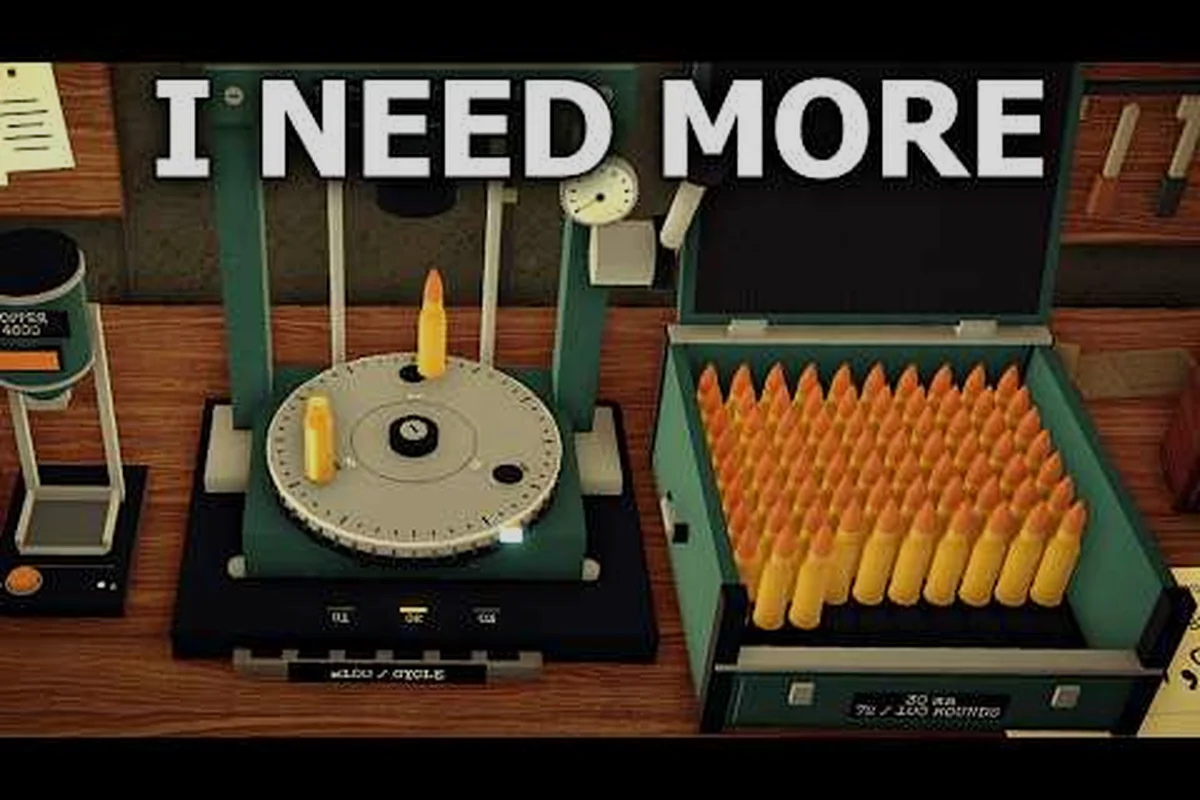
BRASS HELL Delivery Area: Shipment Bay and Document Spots
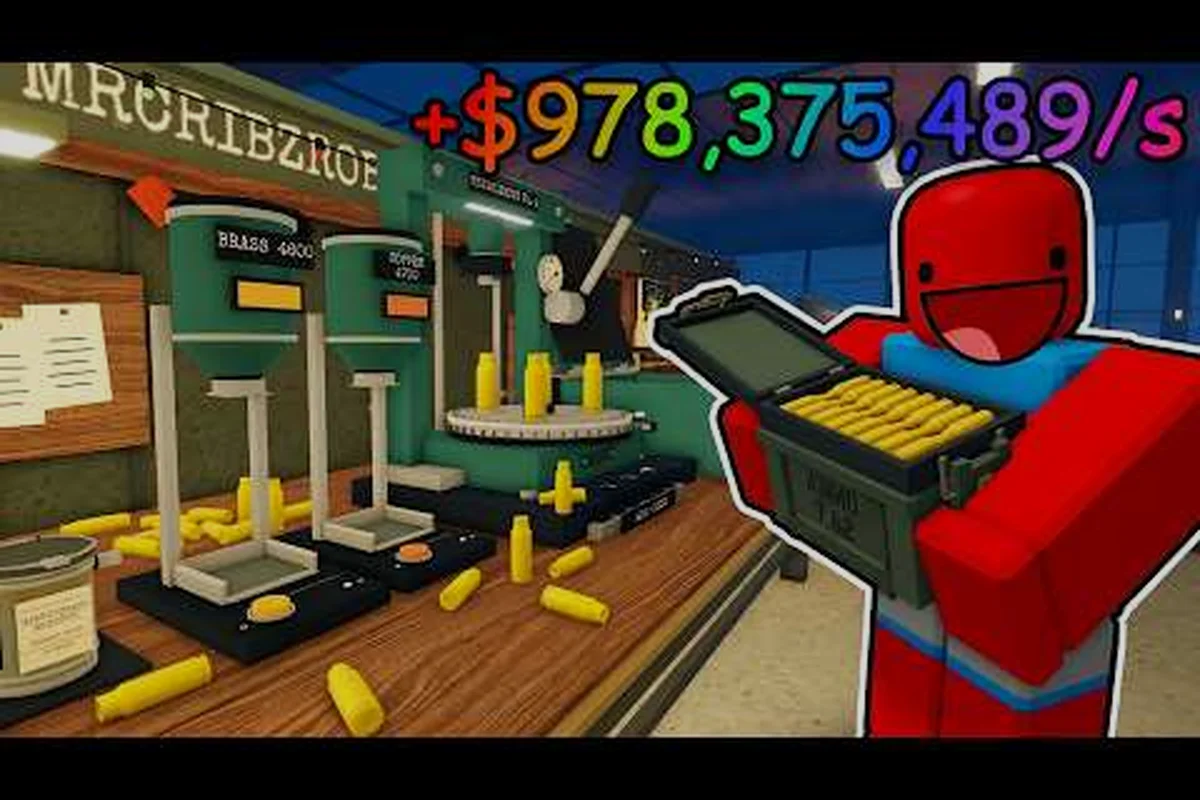
BRASS HELL Factory Map: Stations, Shipments, and Files

BRASS HELL Find All Documents: Locations and Search Routes
All Articles
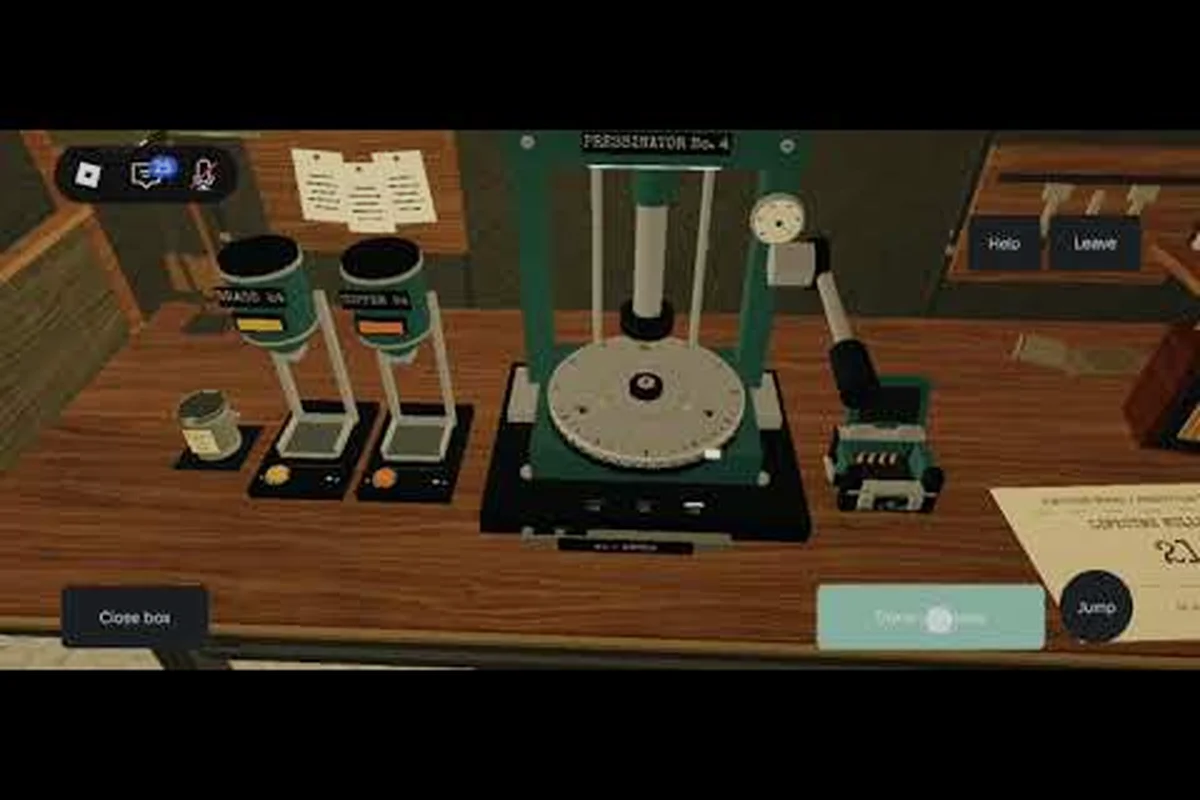
BRASS HELL How to Explore the Factory and Find Hidden Lore
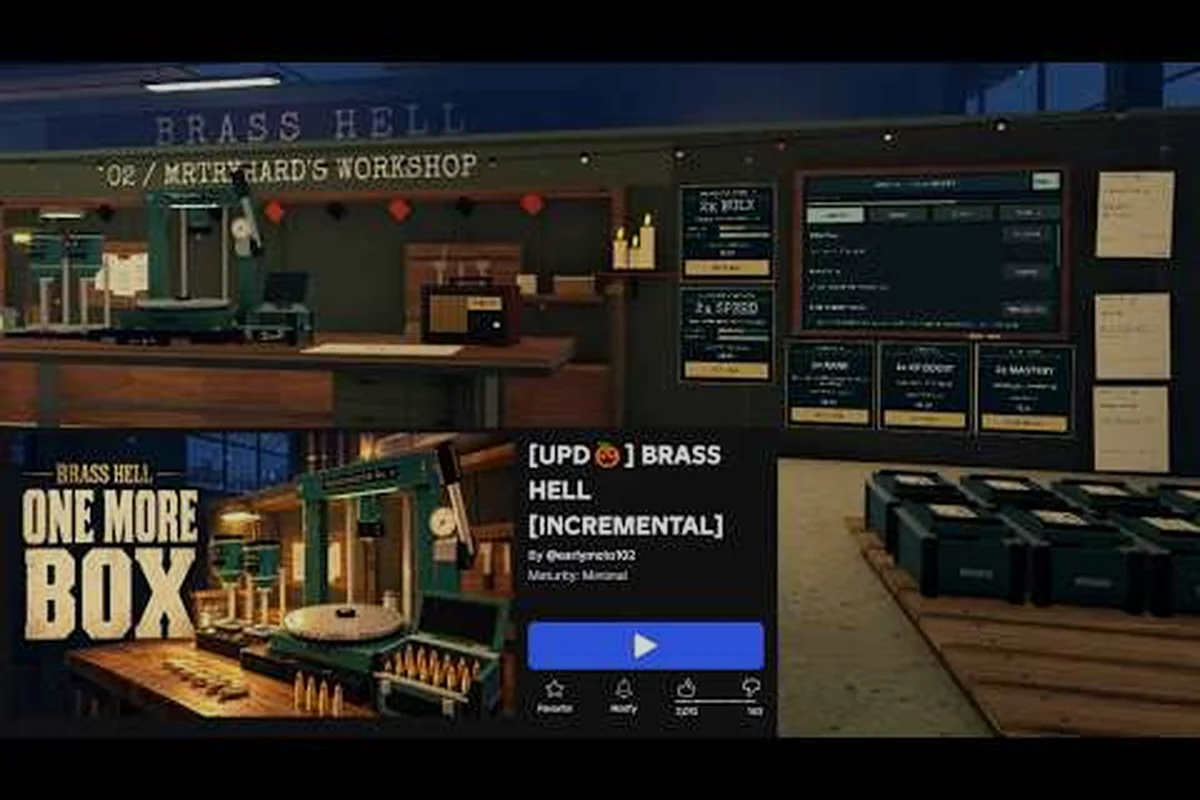
BRASS HELL Spawn Location: Find the Factory's Three Anchors
BRASS HELL Story Documents: Search Routes and Mystery Clues