
Crafting
BRASS HELL crafting explained: operating the press, loading rounds, filling crates, managing materials and the recipe flow behind every crate you ship.
Introduction
The crafting category is where BRASS HELL stops being an abstract incremental game and becomes physical work. Crafting in this game is not a menu with a progress bar; it is a station-flow you personally operate: materials arrive, the press turns them into rounds one by one, the rounds drop into your hands and you load them into wooden crates until the crate is full. This category walks through every stage of that hands-on chain, from stock management at the material pile to the moment a sealed crate is ready for the delivery point. It also explains the rhythm players need to develop — how to keep the press running without starving it, how to sequence loading and packing so no station idles, and what to craft first during your opening sessions so the first upgrade arrives quickly. Because the game has no published recipe manual, the crafting pages rely on the observed recipe flow and player-tested order of operations, with clear notes wherever specifics are community-observed rather than official. New players use these pages to avoid the classic beginner trap of crafting fast but wasteful, while returning players check them after patches to see if the balance of press, crate and material handling has shifted.
Crafting Flow Reference
| Step | Action | Output | Rhythm Tip |
|---|---|---|---|
| 1. Stock materials | Bring materials to the press | Press stays fed | Refill before the press sputters |
| 2. Operate the press | Run the press manually | Finished rounds | Keep a steady, predictable cycle |
| 3. Fill the crate | Load rounds into a wooden crate | Partially filled crate | Fill one crate completely first |
| 4. Close & deliver | Seal the crate and carry it out | Ready-to-ship crate | Ship promptly; only shipped crates pay |
Crafting Station Flow
Material Supply
The invisible first step of every craft — materials must reach the press or nothing else on the floor happens.
Press Operation
The manual heart of BRASS HELL — every round you ever ship begins with a press cycle you operate by hand.
Crate Loading
The halfway house of the loop — finished rounds become valuable only once they rest inside a filled wooden crate.
Close & Send
The final crafting step that converts all your manual work into banked earnings at the delivery point.
Core Mechanics
Every crafting article in this category explains the same mechanical chain with different focal points. The chain begins at material supply: BRASS HELL does not conjure rounds from nothing, so the crafting loop depends on carrying materials from their source to the press, and the press will idle the moment the pile runs dry. The second link is the press itself, which turns materials into finished rounds through a manual operation — you activate the press and wait out the cycle, and the feel of that rhythm is the skill the game actually tests. The third link is the crate: finished rounds must be loaded into wooden crates, and crates only become valuable once they are completely filled and closed. The fourth link is delivery, which belongs to the crafting chain here because shipping readiness is the real end product of crafting — a round sitting in a crate that never ships has produced nothing. The category also covers recipe thinking: because the developer has not published a recipe list, the crafting-recipes pages describe the observed flow and the handful of craftable classes, and they label every specific as community observation. Mechanics content aims to give readers the chain plus the rhythm, so they can reproduce decent crafting output on their first real session.
Key Advantages
Crafting is the heart of BRASS HELL, so this category can genuinely teach something the game leaves unstated: the rhythm of hands-on production. Its main advantage is concreteness — pressing, loading, filling and shipping are physical, visible actions, which means crafting advice can be specific and testable rather than vague. A second advantage is early-game leverage: the first crafting decisions, about press order and crate sequencing, determine how quickly a new player reaches the first workshop upgrade, so the category targets the highest-value minutes of the game. A third advantage is the fun factor — the community loves the absurd scale of hand-crafting, from the official vibe to memes about building millions of rounds by hand, and the crafting pages capture that identity. Finally, the recipe and automation angles give the category natural SEO depth: players search for crafting guides, crate guides, recipe lists and automation help, and each of those queries lands on a dedicated article here.
Challenges & Weaknesses
The crafting category has to navigate two honest limitations. The first is the missing official recipe manual: the developer has not published a definitive recipe list, so the crafting-recipes and automation pages must work with observed flows and clearly community-observed specifics instead of official numbers. The second is the early-access balance churn — a patch can change how long a press cycle takes or how many rounds a crate holds, which ages specific numbers in older articles. There is also a framing challenge: crafting is simple to describe at the surface level, so without care a crafting page can become a thin list of steps; the best articles in the category go deeper into rhythm, sequencing, waste and scaling. Players who want a dense spreadsheet of recipes may find that BRASS HELL simply has not published enough data to justify one yet.
Frequently Asked Questions
How does crafting actually work?+
What should I craft first?+
Can crafting be automated?+
Why do my crates never seem to fill?+
Quick Tips
Master one press rhythm before adding anything else. If the press has a steady, predictable cycle — load, wait, remove, repeat — you can time material runs and crate swaps around it instead of reacting to the machine. Settling into that rhythm early prevents the scattered amateur feel of a factory where nothing is ever exactly ready.
Refill materials on crate boundaries, not during press runs. The moment a crate closes is a natural pause in the flow; use it to check the material pile and top it up before the next batch. Refilling mid-press breaks your rhythm and guarantees the press will idle the moment it runs out, and idle press time is the quiet killer of crafting output.
One full crate beats several half crates. Shipping only pays for completed closed crates, so every open crate you abandon is potential earnings stuck on the floor. Force yourself to finish the crate in your hands before opening a new one; the discipline converts scattered work into actual shipped value and makes the delivery point the true finish line of each crafting session.
Let the order define waste. The fastest way to craft worthless rounds is to ignore the order screen and produce what you feel like. Before each press run, glance at the order target; if a round type is not part of any open order, do not spend materials on it. Crafting to the order is the difference between a profitable factory and a cluttered warehouse.
Featured
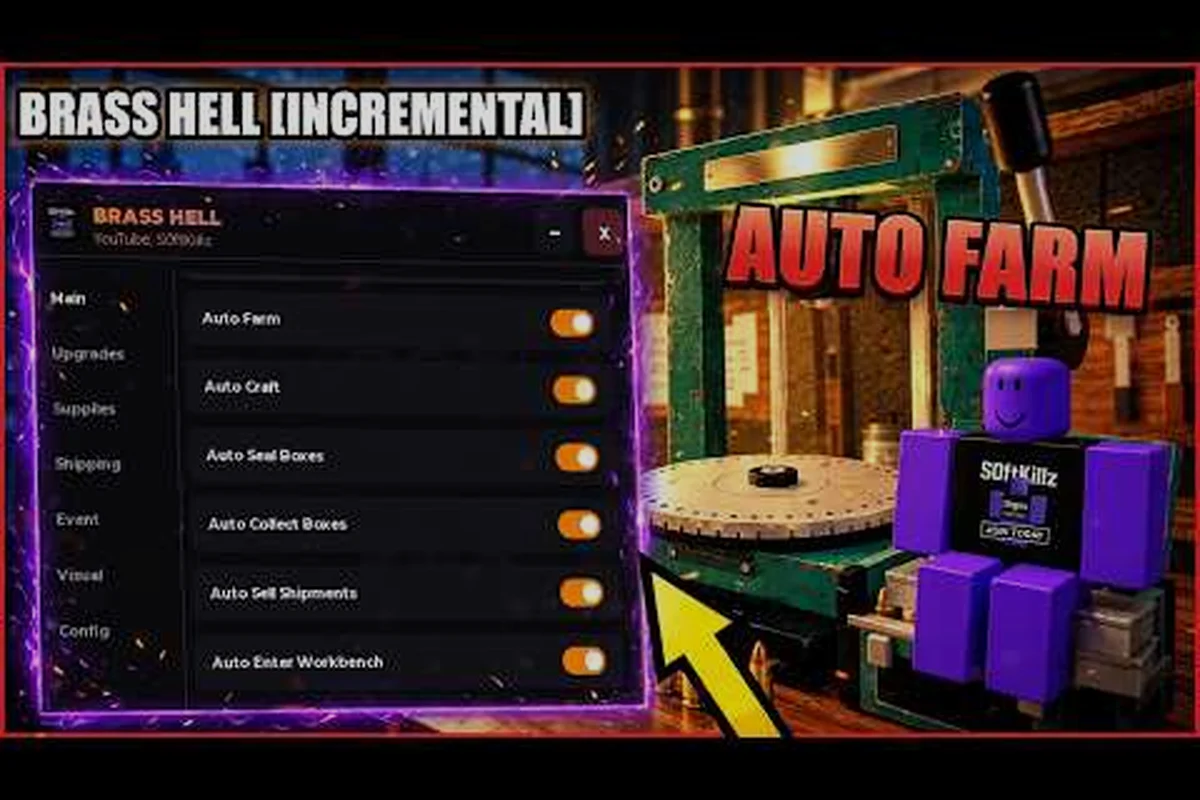
BRASS HELL automation guide: Stations, Production, and Scaling
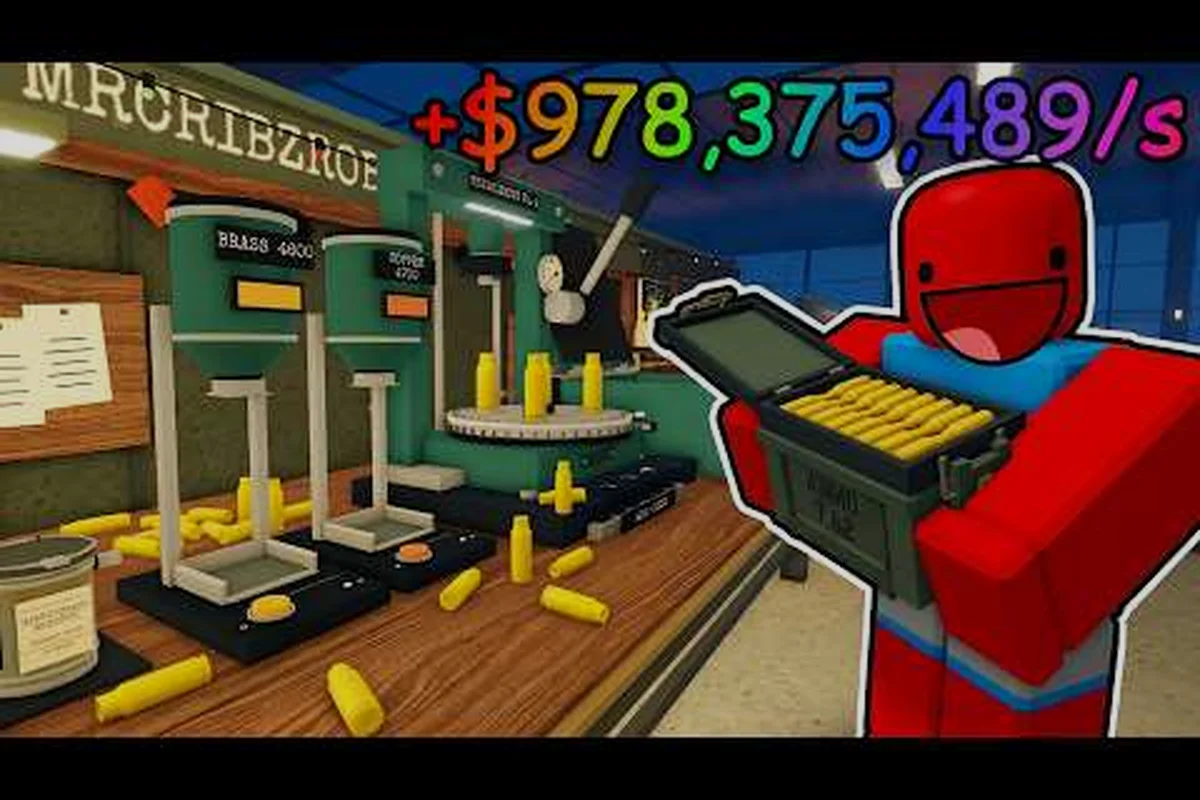
BRASS HELL Crafting Guide: Load the Press and Pack Crates
BRASS HELL Crafting Recipes List: Every Round and Material
All Articles
BRASS HELL Crafting System: Material Flow on the Factory Floor
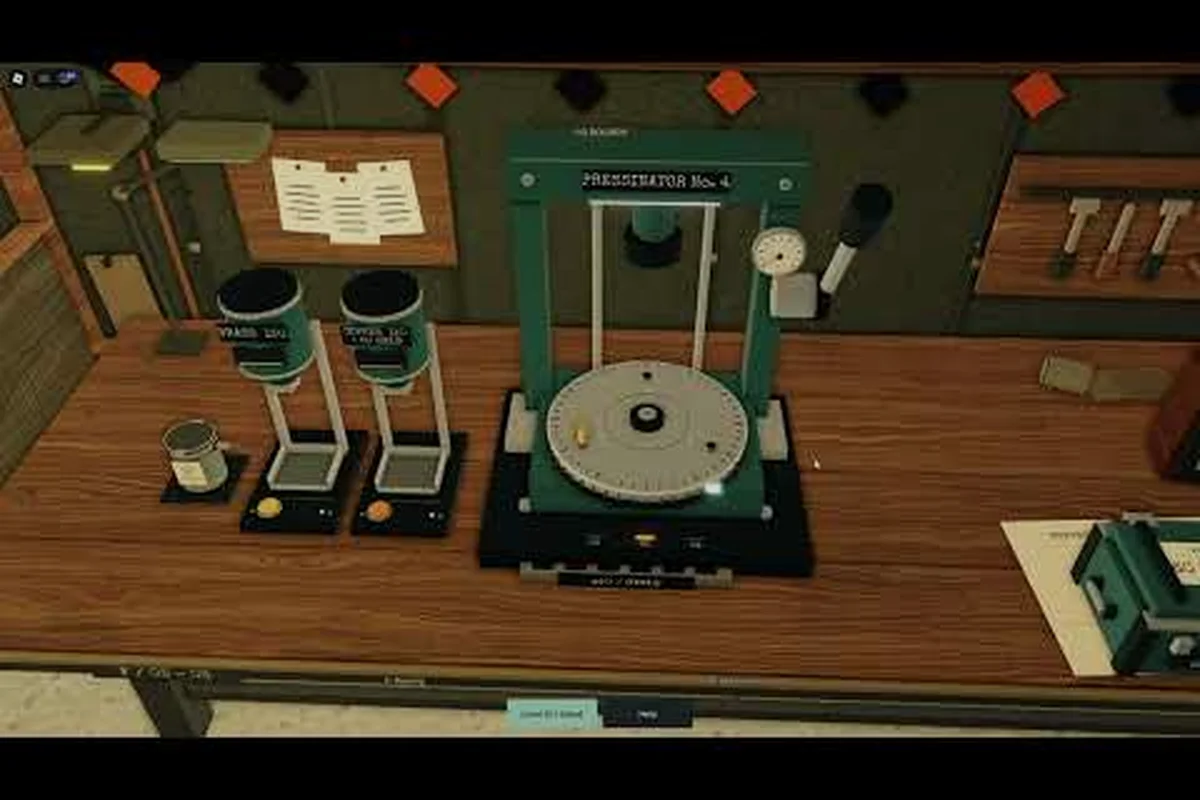
BRASS HELL Crate Guide: Faster Packing and Ammo Output
BRASS HELL how crafting works: From Materials to Crates