
Co-op
BRASS HELL co-op explained: how shared factories work with up to four players, role splits, coordination tips and the fastest division of labor for the whole line.
Introduction
The co-op category covers BRASS HELL's most social system: sharing one factory floor with up to three other players. Unlike competitive Roblox experiences, BRASS HELL puts everyone inside the same blizzard-buried plant, running a single production loop together — the press, the crates, the deliveries and the workshop are all shared, and the whole factory belongs to the server. That design creates a simple but powerful opportunity: a two-to-four player team can split the five-verb loop into roles, keep every station busy and hit milestones that would take a solo player hours of isolated grinding. The category explains how co-op works mechanically, how to divide labor cleanly (press, packing, delivery, workshop, document scouting), how to coordinate without voice chat and how the shared factory changes progression math — co-op scales the line in a way solo play cannot. It covers the practical side too: how to invite friends, what happens when a fourth player joins, and the etiquette of running a shared space without tripping over each other. The honest framing stays intact — the developer has not published a co-op manual, so these role splits and coordination rules are community-observed best practice rather than official systems, and everything reflects the 4-player server cap confirmed by the official API.
Co-op Division of Labor
| Role | Primary Job | Splits With | Impact |
|---|---|---|---|
| Press Operator | Run the press and keep rounds flowing | Material runner | Drives output per minute |
| Crate Packer | Fill and close wooden crates | Press operator | Keeps the line from stalling |
| Delivery Runner | Carry crates to the delivery point | Packer | Converts work into earnings |
| Workshop Manager | Plan and buy upgrades | Everyone | Keeps spending on one goal |
Co-op Role Cards
Press Operator
The output driver — one invested player running the press keeps the whole factory fed at max rhythm.
Crate Packer
The flow-manager — filling and closing crates on time keeps the line from backing up into the press.
Delivery Runner
The earnings converter — carrying crates to the delivery point turns team work into banked progress.
Workshop Manager
The budget-keeper — one player planning and funding upgrades keeps the team from spending against itself.
Core Mechanics
Co-op in BRASS HELL is mechanically simple on the surface: one factory, one server, up to four players, and everyone works the same production loop. The depth comes from division of labor — because the loop has more stations than the average solo player can cover at once, teams that split roles can keep multiple stations running in parallel instead of sequenting through them. The classic split hands the press to a dedicated operator (the station that drives output), gives a second player the packing responsibilities, assigns a third to deliveries and lets a fourth manage the workshop and materials. The mechanical payoff is throughput: a team running press and packing in parallel fills crates much faster than one player cycling between them, and parallel delivery means earnings keep banking while other stations work. The category also explains the coordination layer — simple callouts for crate-ready and shipment-leaving keep the shared floor from becoming a traffic jam, and a clear workshop rule (fund one upgrade at a time) stops the eternal argument over what to buy. Because the role system is community-observed rather than developer-designed, the pages present splits as tested best practice and invite readers to swap tasks between sessions. Co-op also changes progression: shared funding reaches expensive milestones faster, and the larger line gives the late-game workshop a reason to expand at all — which is why the co-op pages cross-link heavily to the progression and upgrades categories.
Key Advantages
A co-op category delivers three concrete advantages to BRASS HELL players. The first is measurable speed: a well-split team keeps every station busy at once, so the same session time produces noticeably more shipments, more earnings and faster milestone unlocks than solo play. The second is a shared decision layer: co-op makes the workshop budget a team problem, and these pages turn that friction into a system — one funding target, clear role ownership, simple callouts — which removes most of the coordination chaos that kills random multiplayer sessions. The third is the social hook: the game's official pitch advertises sharing the factory with up to four players, so co-op content directly serves the developer's stated fantasy, and players who enjoy the social loop come looking for exactly these guides. The category also handles the lore-quiet honesty well: by framing role splits as community best practice with tested patterns, the pages stay useful without pretending the developer documented them.
Challenges & Weaknesses
The co-op category operates on community-observed systems because the developer has not documented a role system or matchmaking detail — the only verified numbers are the 4-player server cap from the official API. That means the split structures and coordination rules here are best practice, not game mechanics, and a teammate who does not read the playbook can easily break the system by hoarding materials or buying random upgrades. The category also has to manage the human variable: the fastest role split in the world collapses if the other three players do not follow the callout rhythm or argue over budget. Finally, the honest caveat applies as everywhere: early-access patches can alter server behavior or even how factories share progress, so the category pages stay dated at 2026-10-31 and warn readers to re-verify after updates.
Frequently Asked Questions
How many players can play BRASS HELL together?+
What is the best way to split roles?+
Does co-op progression transfer?+
How do I coordinate without voice chat?+
Quick Tips
Agree on role ownership before the first press run. The entire advantage of co-op comes from parallel stations, and parallel stations only work when each player owns a job rather than everyone wandering the floor. Naming your ownership takes ten seconds at session start and saves minutes of checking who left the press running dry.
Fund one workshop target as a team, never four. The fastest way to kill a co-op session is four players each half-funding four different upgrades. Announce one shared upgrade goal, funnel every shipment into it, buy it, then pick the next. The team that funds one goal hits milestones visibly faster than the team that spreads earnings across the whole shop.
Use two callouts and nothing else: crate ready and shipment leaving. Roles give everyone a job, but the floor still needs its two moments of handoff communicated. If the Packer announces when a crate closes and the Delivery Runner announces when they leave, the whole factory stays informed with almost zero chatter — no noise, no confusion, just rhythm.
Scale roles down as the team shrinks. A four-player split that says Press Operator, Packer, Delivery Runner and Workshop Manager collapses quickly at two players. For a duo, run press-and-packing together and share deliveries; for a trio, merge packing and delivery into the third player's role. Matching the split to headcount beats forcing a four-role plan onto a two-person floor.
Featured
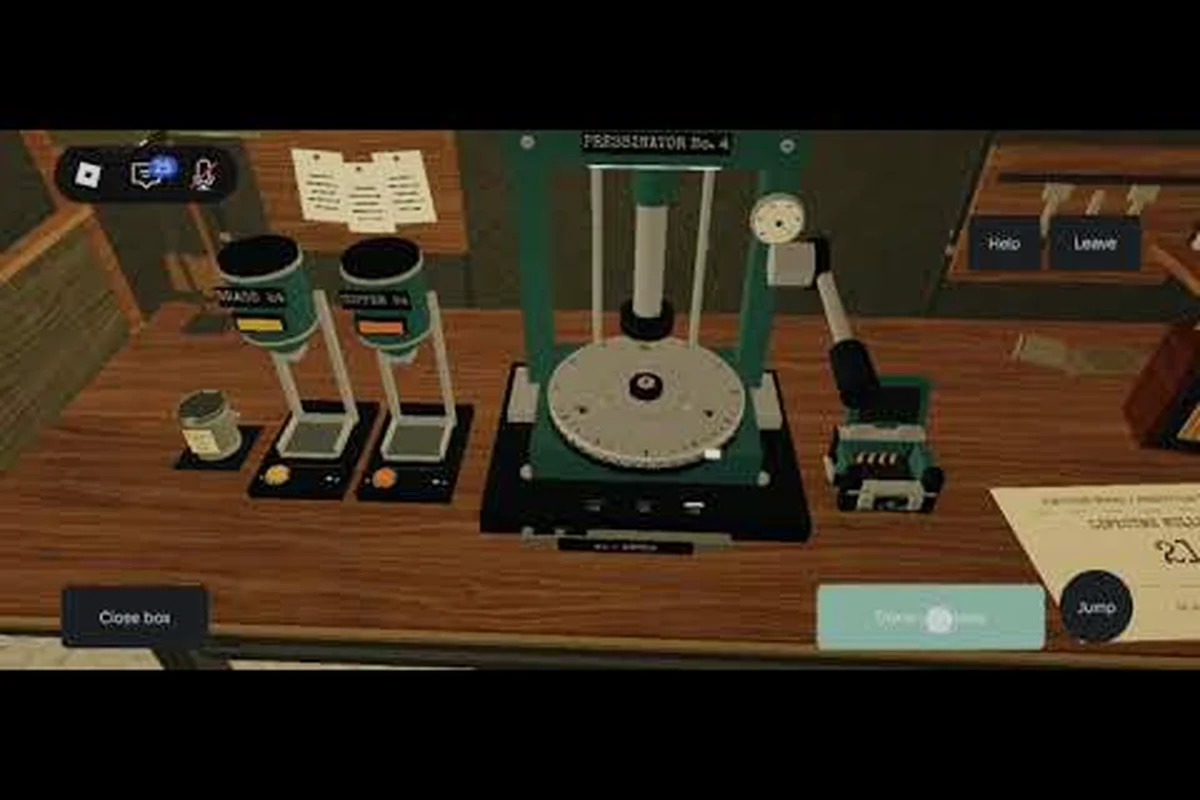
BRASS HELL Best Way to Play With Friends in Co-op
BRASS HELL Co-op Progression: Upgrade the Shared Workshop
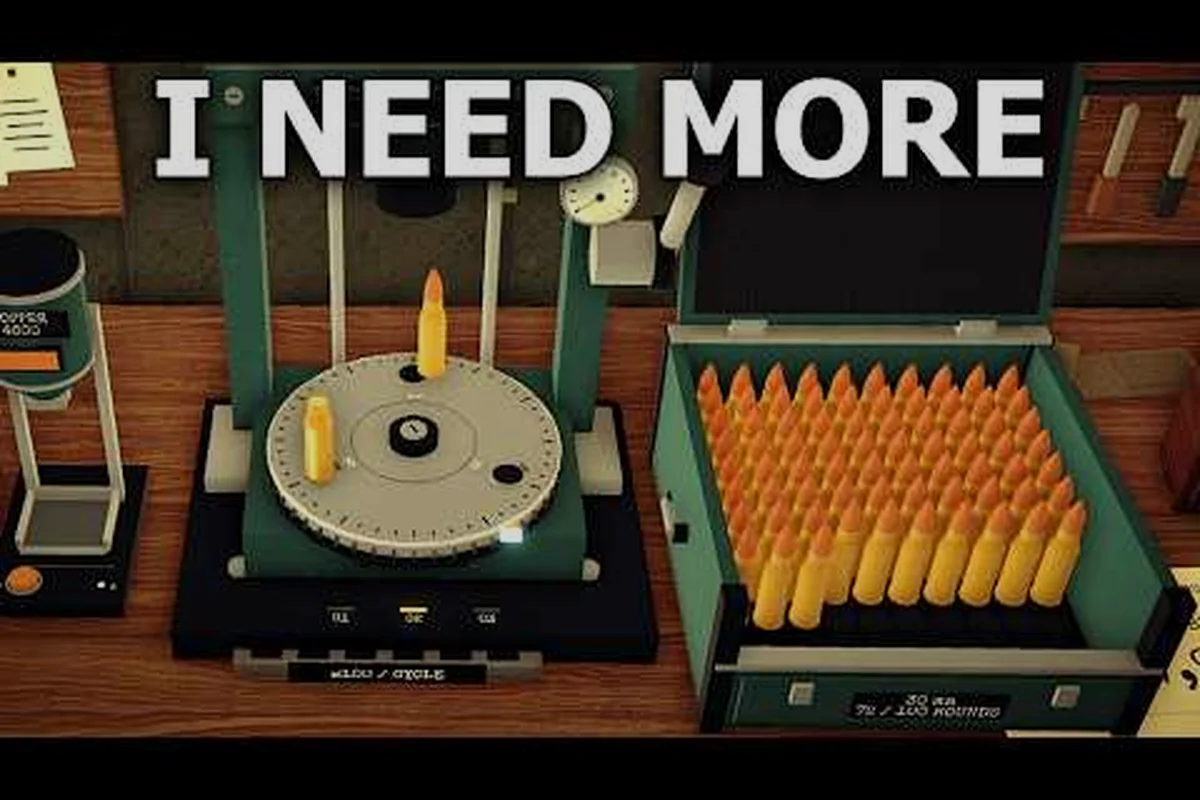
BRASS HELL Cooperative Guide: Build a 4-Player Team
All Articles
BRASS HELL Roles Guide: Assign 4 Players for Faster Output
BRASS HELL Share the Factory: 4-Player Co-op Plan
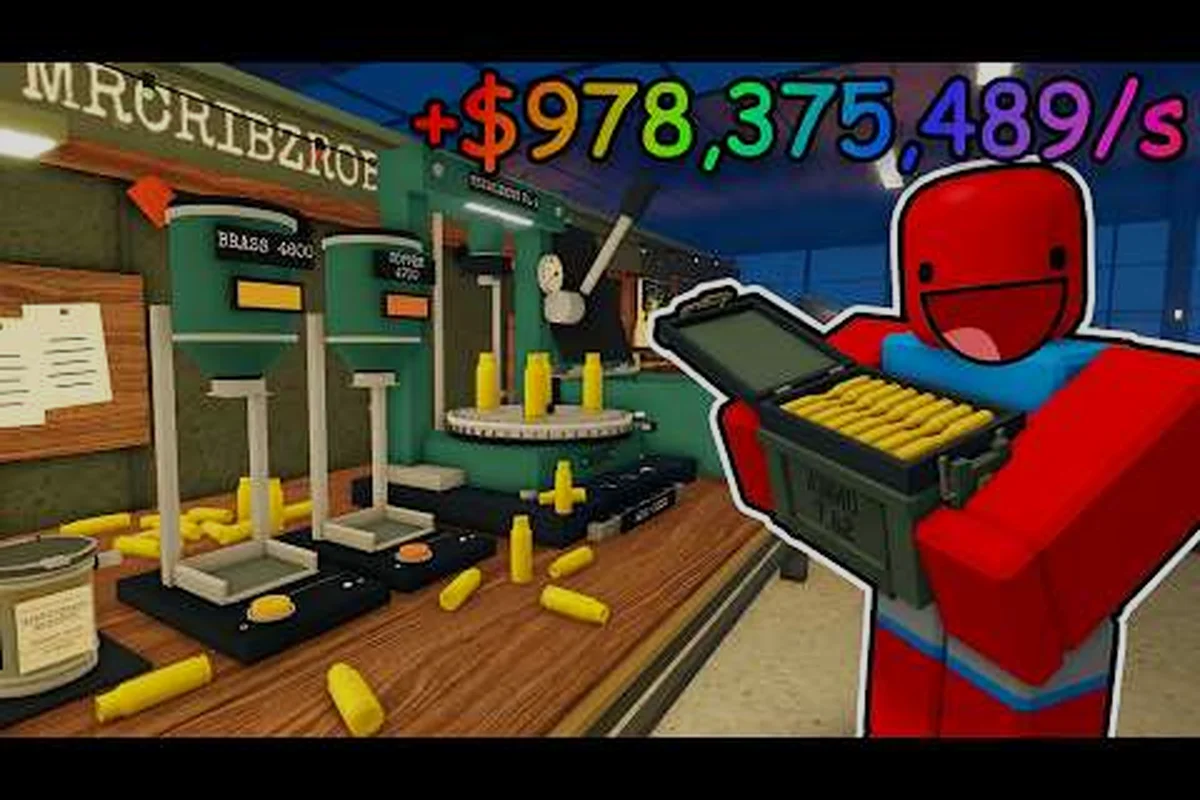
BRASS HELL Team Play: Coordinate Four Factory Roles