
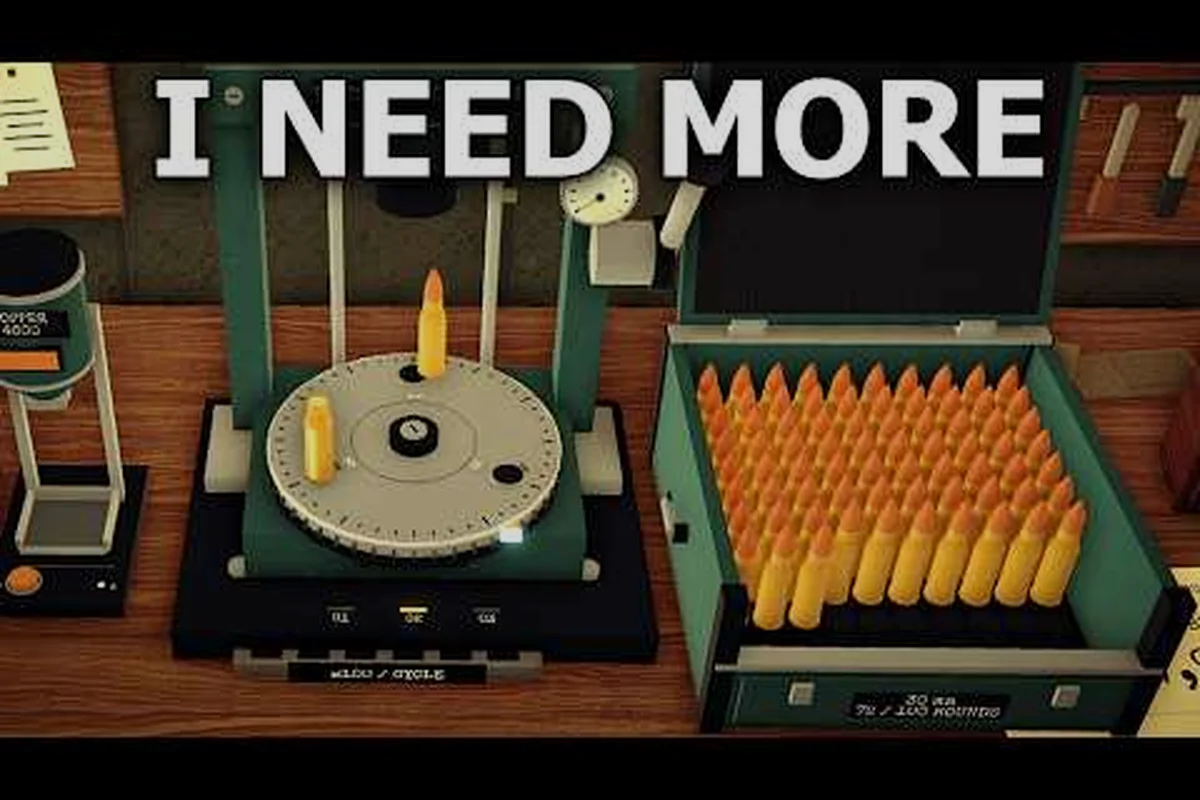
BRASS HELL game mechanics matter because production is not passive: you work the press, satisfy orders, and deliver crates to keep the factory growing. Learn how each loop connects so you can spend less time confused and more time earning upgrades.
A Hands-On Incremental Factory on Roblox
BRASS HELL is an early-access incremental factory simulator on Roblox, created by solo developer earlymoto102 and launched on October 4, 2026. Its central activity is more hands-on than a conventional idle game because the player remains busy at the press while orders and deliveries create a repeating production cycle. The official BRASS HELL game page identifies it as a Simulation and Incremental Simulator.
That distinction explains why BRASS HELL game mechanics feel like a miniature job rather than a collection of passive boosters. You gather resources, make items through manual press actions, use those items to fulfill customer requests, and turn completed work into currency and improvements. The loop then repeats at a faster or more productive rate.
Walk Four Stages From Material to Shipment
The production cycle has four connected stages: gathering raw materials, manually operating the press, fulfilling orders with finished brass goods, and delivering shipments. Each stage depends on the previous one, so an empty stockpile or an unfinished order can interrupt progress. For example, gathering enough material keeps the press available, while successful shipments complete requested crates and convert factory labor into currency for future upgrades. Understanding this full chain is what turns isolated press work into an ongoing BRASS HELL production loop.
-
Resource gathering provides the raw materials needed for manufacturing.
-
Manual press operation converts those materials into usable brass items.
-
Order fulfillment exchanges finished products for rewards and factory currency.
-
Shipment delivery sends requested crates onward, completing the physical side of the factory job.
Each stage creates demand for the next, so the best approach is to understand the entire chain rather than treating a single press cycle as the whole game. If you want the broader pacing and progression structure, how BRASS HELL plays as an incremental factory simulator explains how active work and offline-style growth fit together.
| Loop stage | Player action | Main result | Why it matters |
|---|---|---|---|
| Gathering | Collect available materials | Production inputs | Prevents the press from stalling |
| Press work | Operate the press manually | Brass components | Creates sellable or order-ready goods |
| Order fulfillment | Match requested quantities | Currency and progress | Converts labor into useful rewards |
| Shipment delivery | Move completed crates | Order completion | Closes the delivery loop |
| Upgrading | Spend accumulated currency | Faster or stronger production | Raises the ceiling on the next cycle |
Why Manual Work Still Matters
An incremental game normally lets numbers grow while the player performs a smaller number of decisive actions. BRASS HELL differs because press operation remains a signature hands-on hook, according to community commentary cited on the official page. This means that simply waiting does not cover the full experience; your throughput depends partly on active crafting.
The practical lesson is straightforward: press uptime is the first bottleneck to monitor. Even if orders and deliveries work perfectly, unfinished products cannot satisfy a request. Watch your material supply before beginning a batch, because a press cycle that cannot continue creates a gap in the production chain.
BRASS HELL Orders System and Fulfillment
The BRASS HELL orders system turns manufactured items into structured requests. Instead of selling every finished object in isolation, you work toward the quantities and types requested by the factory's customers. This creates a short planning loop: gather enough inputs, produce the needed goods, fulfill the order, and then decide where the resulting earnings matter most.
Understanding BRASS HELL how orders work is essential because the best pressing pattern depends on the request currently available. Producing unrelated items may feel productive, but an order provides a clear goal and a defined endpoint. That clarity becomes especially useful as the factory expands and more systems compete for your attention.
Reading an Order Request
Before gathering materials or operating the press, identify three parts of the request: the item type, the required quantity, and the available reward. Treat the request as a production target rather than an open-ended shopping list: if the order calls for two brass pieces, every successful press cycle should contribute to that two-item quota, and the reward determines whether the order merits the material and machine time. Because BRASS HELL does not publish exact order coordinates, counts, or a complete numerical table, compare the active request against the factory’s current stock and choose the closest efficient production plan instead of assuming a fixed recipe or reward value.
-
Requested item type: This defines what the press must produce.
-
Required quantity: This reveals how many successful cycles the order needs.
-
Available reward: This helps you judge whether completing it is worth the production effort.
The official game page does not publish exact order coordinates, counts, or a complete numerical table, so those values may vary by current game version. It does confirm that the simulation includes order-driven work and scattered documents that add context to the factory’s history. This mystery layer should be treated as environmental storytelling rather than a guaranteed source for fixed formulas.
| Order detail | What it tells you | Best response |
|---|---|---|
| Item type | Which recipe to prepare | Match production directly to the request |
| Quantity | How many press cycles are required | Build a batch plan before starting |
| Reward type | What progress the order provides | Prioritize when resources are limited |
| Active status | Whether it is available now | Finish active demand before collecting more stock |
| Completion condition | When the order closes | Avoid unnecessary low-value production |
Keep Order-to-Payout Cycles Moving
A reliable routine keeps the order-to-payout cycle moving without excessive backtracking: track each request’s required item and quantity, gather only the materials needed for that batch, and operate the press until production matches the order before attempting payout. For example, if an order calls for 10 units, producing a larger batch can create surplus stock that ties up inputs and interrupts the next shipment cycle. Submitting the completed batch promptly matters because the payout and progression rewards are tied to confirmed delivery, not merely to finished goods sitting in the workshop.
-
Step 1: Read the active request. Confirm the required item and total quantity.
-
Step 2: Check material reserves. Collect only the inputs needed for the batch when supplies are tight.
-
Step 3: Produce the requested goods. Use the press until the order quantity is covered.
-
Step 4: Submit or hand in the completed order. Confirm that the interface updates rather than assuming activation equals completion.
-
Step 5: Allocate the reward. Spend currency on an improvement that addresses your next bottleneck.
Batch production is more efficient when it is tied to a confirmed order: if a request needs 10 units, making 12 leaves two surplus pieces that consume materials and may delay the next shipment. For example, fulfilling the exact quantity keeps the press and order payout synchronized, while BRASS HELL orders explained clarifies how the request loop converts completed goods into progression rewards.
When to Hold Production
Producing beyond the active order can be useful only when you have confirmed surplus materials, spare labor, or a specific need for inventory. Otherwise, excess goods delay the next order without advancing the factory. The central decision is whether an item is order-bound or upgrade-bound, and holding the wrong product creates a bottleneck.
BRASS HELL Press Work and Manufacturing
The press is the manufacturing core of BRASS HELL game mechanics. It converts gathered inputs into the components needed by orders and shipments, making its operation more than a decorative animation. The press also explains why active participation matters more here than in a fully automated idle simulator.
Efficient players treat press work as a repeatable sequence rather than a collection of isolated clicks. Each cycle begins with readiness, continues through active operation, and ends with a usable output. If any part of that sequence fails, the order chain slows even when enough resources exist in the warehouse.
Before You Operate the Press
Check three conditions before starting: compare the active order with the selected recipe, verify that every required material is available in inventory, and confirm the press can accept the batch without blocking output storage. For example, if the current order requires a brass component, selecting the wrong recipe consumes usable inputs and creates an item that cannot be submitted. Treating the material count, target product, and output capacity as one pre-press check prevents wasted resources and keeps the crafting cycle running efficiently.
-
Material availability: Confirm that the required inputs are already gathered.
-
Correct item selection: Make sure the press is set for the product required by the active order.
-
Output capacity: Avoid starting another batch if finished items cannot be collected or submitted.
The crafting recipes and press usage guide provides a useful companion for organizing recipe selection and reducing wasted inputs. Because the game is in early access, interface labels and exact timing windows can change, so verify current behavior in-game when the press feels different from earlier community tests.
| Press condition | Positive signal | Common mistake | Efficient adjustment |
|---|---|---|---|
| Inputs ready | Material count matches the recipe | Starting with missing resources | Gather before operating |
| Recipe selected | Requested item appears as the target | Producing the wrong component | Recheck the active order |
| Press active | Crafting animation or cycle is underway | Abandoning a cycle mid-process | Complete the current batch |
| Output collected | Finished goods move into inventory | Leaving products uncollected | Collect before another batch |
| Capacity available | Room exists for another output | Overfilling storage | Submit or use surplus goods |
Optimizing Manual Throughput
The best optimization is not a mysterious shortcut; it is reducing interruptions. Keep your avatar near the required stations, decide the next target before finishing a batch, and avoid switching between unrelated tasks while materials are ready. Because the press is the signature active element, every unnecessary trip creates opportunity cost.
Treat production as a three-stage chain rather than one continuous task: gathering inputs, working the press, and delivering finished goods through the orders system. For example, if materials for two presses are already prepared but the shipment slot is unavailable, pausing further presses prevents stock from piling up and makes the next delivery faster. Likewise, collecting one order’s requirements before visiting the press reduces both walking time and idle press cycles, letting each batch contribute directly to a shipment instead of creating unfinished inventory.
-
Input cycle: How long does it take to gather what the next batch requires?
-
Press cycle: How many products can you complete without idle gaps?
-
Output cycle: How quickly can you collect and submit finished goods?
The longest stage is your practical bottleneck, but secondary bottlenecks can shift after an upgrade. For example, faster crafting may make material gathering the new limiting factor. Recheck the full chain instead of assuming a single purchase solves every part of BRASS HELL how the game works.
BRASS HELL Shipments and Delivery Mechanics
Finished products are only part of the job because the factory also depends on shipments. The BRASS HELL shipments guide centers on taking completed crates to the correct destination, completing the delivery, and keeping the order loop moving. A shipment that has been manufactured but not delivered still represents unfinished business.
This delivery stage gives BRASS HELL how to deliver shipments a practical meaning: collect the finished crate, move it to its destination, and confirm the delivery before using the reward. The movement requirement reinforces the game’s physical factory theme and differentiates it from a menu-only production simulator.
The Shipment Sequence
The sequence follows the factory’s physical workflow: a BRASS HELL order begins by defining the required crate contents, then moves through production, collection, transit, handoff, and reward confirmation. For example, if an order requests four specific goods, the shipment is not ready until those quantities are loaded and the crate becomes portable; arriving at the destination with the wrong goods—or attempting the handoff without collecting the crate—does not complete the order. This separation matters because each shipment stage has its own success indicator in the stage table, allowing the player to diagnose whether a stalled order is caused by unfinished production, an uncollected crate, an incorrect destination, or a delivery interaction that has not yet updated the order.
-
Finish production: Create the crate contents required by the request.
-
Collect the crate: Confirm that the finished shipment is available.
-
Carry it to the destination: Reach the proper delivery point while holding or interacting with the shipment.
-
Complete the handoff: Use the expected interaction and verify that the crate disappears or the order updates.
-
Claim the result: Collect the reward shown after successful delivery.
The crate and delivery system overview focuses more closely on the workshop-side details, while this guide connects those crates to the broader BRASS HELL deliveries guide. The key rule is to watch the state indicators before and after the handoff, because manufacturing and delivery are separate accomplishments.
| Shipment stage | Success indicator | What to verify |
|---|---|---|
| Crafted | Required goods fill the shipment | Item type and quantity match |
| Collected | Crate becomes portable | It appears in the player’s hands |
| In transit | Player reaches the target zone | Correct destination is active |
| Handed off | Crate leaves inventory | Delivery interaction completes |
| Rewarded | Order or currency updates | Reward has been credited |
Delivery Problems and Simple Fixes
If a shipment does not complete, the cause is usually procedural rather than mysterious. You may be carrying the wrong item, standing in the wrong interaction area, missing a final prompt, or trying to deliver before the crate is fully prepared. Repeating the pickup and handoff sequence is safer than repeatedly recreating the entire batch.
| Symptom | Likely cause | Practical fix |
|---|---|---|
| No delivery prompt | Wrong location or missing crate | Return to the pickup point and verify inventory |
| Cargo remains in hand | Handoff not completed | Use the required interaction and watch for confirmation |
| Order does not update | Wrong product or quantity | Compare the crate with the request |
| Reward not credited | Submission not finalized | Confirm completion before moving away |
| Progress repeats | Earlier handoff failed | Finish one delivery end to end before starting another |
BRASS HELL Upgrades and Progression Strategy
Progression turns good BRASS HELL game mechanics into a stronger factory. Completed orders and shipments generate rewards, and those rewards can be directed toward capabilities that remove specific bottlenecks. The key is to treat upgrades as solutions to observed problems rather than purchases made simply because they are available.
A clear diagnosis makes spending more effective. If you spend heavily on press speed but still spend most of the shift gathering materials, the factory may look upgraded without becoming materially faster. Measure the bottleneck before buying, then reassess after the change.
Diagnosing Your Limiting Step
Use the order workflow as a diagnostic: compare the time spent gathering materials, operating the press, carrying crates, and waiting between accepting an order and completing its delivery. For example, if the press finishes quickly but delivery takes longer, walk distance and crate-handling convenience are the limiting step; if every cycle includes a long search for copper or steel, collection efficiency is the bottleneck. This timing breakdown separates a genuine production shortage from idle time caused by unsuitable order selection, making it clear which upgrade will actually increase completed shipments per session.
-
Too much gathering time: Improve collection or secure more efficient material access.
-
Too much press time: Increase manual output or shorten the production cycle.
-
Too much delivery time: Reduce the distance or complexity between crate pickup and handoff.
-
Too much order idle time: Keep active requests matched to the items you can produce.
-
Too much surplus stock: Improve order selection rather than raw production speed.
| Observed problem | Upgrade target | Expected result | Recheck after buying |
|---|---|---|---|
| Long material waits | Collection efficiency | Shorter input phase | Compare gathering time per batch |
| Repeated press delays | Press output | More completed goods per session | Compare cycles per minute |
| Long walks with crates | Delivery convenience | Less time carrying shipments | Measure pickup-to-handoff time |
| Frequent wrong products | Production organization | Fewer wasted batches | Track order completion rate |
| Slow currency growth | Active order throughput | More rewards per unit of labor | Compare completed orders |
A Balanced Upgrade Plan
Early spending should remove the longest delay in the loop, not every delay at once. Once the primary bottleneck improves, measure again. This incremental approach prevents the common mistake of spreading currency across several small upgrades while the largest delay remains untouched.
For BRASS HELL, treat each production step as a measurable link in the orders system rather than assuming every station deserves equal currency. A useful progression routine is to time one full order from acceptance to shipment, noting where work waits: for example, if a short manufacturing stage repeatedly blocks an available shipment, upgrade that stage before adding capacity elsewhere. The goal is to remove the longest constraint in the loop, then retest the same route so the effect on order completion and shipment delivery is visible.
-
Complete the easiest active order.
-
Identify which stage took the longest.
-
Spend currency on that stage.
-
Repeat the order and compare the timing.
-
Reinvest only after the change produces a measurable benefit.
The deeper progression and reward structure is also covered in BRASS HELL gameplay and upgrade earning, but the practical principle remains local: observe the production loop and buy the answer to your current bottleneck. For example, if assembly repeatedly pauses a ready order, improve that machine before increasing production capacity upstream; track the same order’s acceptance-to-shipment time afterward to verify that the queue cleared, while avoiding simultaneous upgrades that make it unclear which change produced the gain.
Common BRASS HELL Gameplay Mistakes
Most early mistakes come from treating the factory systems as separate tasks. The press, orders, and shipments are a chain, so a mistake at one stage propagates through every later stage. Good BRASS HELL game mechanics begin with recognizing those dependencies and completing one full cycle cleanly.
Failure Pattern: Crafting Without a Target
Producing whatever is easiest can leave you with items that no active request needs. Before operating the press, read the order and choose the matching recipe. Surplus production has value only when it supports a known upgrade need or prepares for a confirmed shipment requirement.
Failure Pattern: Treating Delivery as Automatic
A crafted crate still needs to reach the right handoff point. Players who assume delivery happens automatically may wander around the factory or repeat production unnecessarily. Always watch for the prompt, complete the interaction, and confirm that the order state changes.
Failure Pattern: Ignoring Partial Progress
Orders and shipments often require sustained attention rather than one dramatic burst of activity. Abandoning the press halfway through a batch, or carrying a crate without completing its handoff, breaks the rhythm of the production-to-payout chain. Finish the current stage before changing plans.
Failure Pattern: Upgrading by Emotion
A new upgrade is not automatically an improvement if it does not shorten your real bottleneck. Use the previous order as a test case, compare times, and determine whether the purchase changed your throughput. This small measurement habit prevents wasted currency and creates clearer progression decisions.
| Mistake | Why it hurts | Better habit |
|---|---|---|
| Crafting random items | Inventory grows without order value | Read the request first |
| Skipping crate pickup | Delivery cannot begin | Verify the crate in hand |
| Leaving a batch unfinished | Progress and attention are lost | Complete one production cycle |
| Buying unrelated upgrades | The same bottleneck remains | Diagnose before spending |
| Ignoring rewards | Long sessions produce little growth | Redeem and allocate earnings promptly |
Avoiding these mistakes makes the core loop more predictable. For example, if completed orders arrive faster but crates remain uncollected, the active bottleneck is the BRASS HELL shipments guide stage: pickup delays keep production from reaching dispatch. Check whether BRASS HELL how orders work is creating demand for one requested item or several, then verify that each crate in hand matches an active order. This separates a genuine BRASS HELL orders system problem from an upgrade that merely changed the order queue without improving deliveries, giving you a clear focus for your next purchase or workflow adjustment.
Frequently Asked Questions
What is the main production loop in BRASS HELL?
BRASS HELL game mechanics center on gathering materials, operating the press, completing orders, and delivering finished crates. Those actions generate rewards that can fund upgrades and support faster production. Because the press requires active operation, progress combines hands-on manufacturing with incremental progression rather than relying only on offline gains.
Are orders and shipments separate tasks?
Yes. An order establishes what must be produced and usually what quantity is needed, while a shipment handles the physical movement and handoff of the resulting crate or goods. You may need to complete manufacturing before delivery can begin. Treat them as consecutive stages of one workflow, not as interchangeable activities.
Should players gather materials before using the press?
Generally, yes. Gathering first prevents the press from sitting idle and helps you complete a batch with fewer interruptions. If material gathering is already the slowest part of your session, improving that system may deliver more value than immediately increasing press output. Measure each stage before deciding where to focus.
How can I make deliveries more reliable?
Pick up the completed shipment, confirm that the correct crate is in hand, move to the active destination, and use the expected handoff interaction. Watch for the crate or order state to update before leaving. If delivery fails, repeat the pickup and handoff steps before producing another batch, since the original cargo may still be usable.
What is the best way to spend upgrade currency?
Spend currency on the stage that consumes the most time during a normal order. If you spend most of the shift gathering, improve collection; if pressing dominates, improve output; and if carrying crates takes too long, prioritize delivery convenience. Complete another order afterward to measure whether the upgrade actually increased your factory’s throughput.