
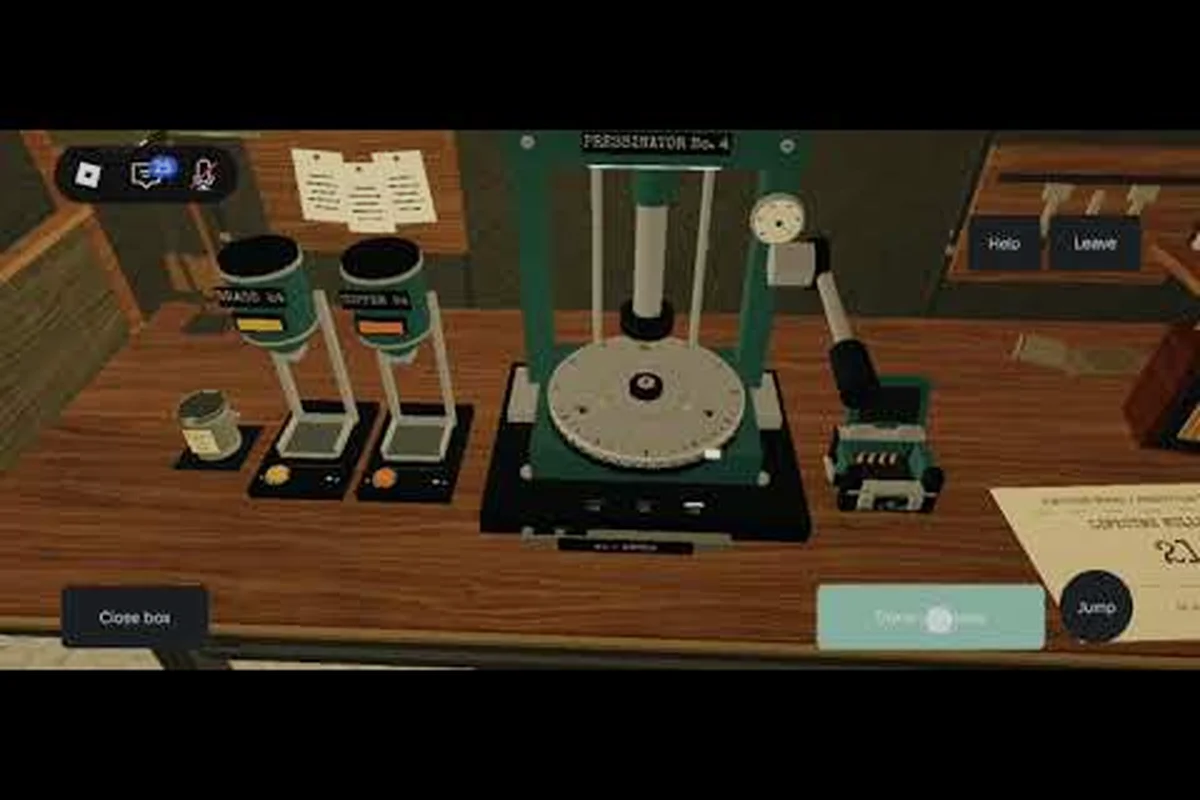
BRASS HELL end game guide priorities matter because a factory can look efficient yet remain bottlenecked by one missing recipe or upgrade. Learn which rounds to pursue, how to fund upgrades quickly, and when efficiency beats raw output in this early-access incremental simulator.
BRASS HELL end game guide: the progression roadmap
BRASS HELL is an early-access incremental factory simulator released on Roblox by solo developer earlymoto102 on October 4, 2026. Because the game launched less than a month before this guide’s October 31, 2026 verification date, some progression details may change after future patches. The official BRASS HELL game page identifies it as a Simulation and Incremental Simulator, but it does not publish a complete unlock roadmap or exact factory coordinates.
That limitation makes a decision framework more valuable than a rigid sequence. The late-game objective is not simply to buy every upgrade; it is to build a production chain that reliably reaches the next round without demanding constant manual intervention. This BRASS HELL end game guide therefore focuses on bottlenecks, upgrade order, round selection, and measurable efficiency rather than unsupported formulas.
| End-game objective | Primary focus | Success signal |
|---|---|---|
| Reach the next round | Complete current production requirements | New machines or areas become available |
| Increase factory output | Remove throughput limits | More units produced per cycle |
| Reduce active effort | Automate repeated actions | Fewer manual resource inputs |
| Prepare for later content | Bank materials and upgrades | No immediate resource shortage |
Reading the current progression system
The progression system appears to move from basic factory work into increasingly complex production demands. Because official documentation is incomplete and scattered in-game documents form part of the mystery layer, treat community reports as provisional. Watch actual unlocks, recipe demands, and machine limits in your current save; those observations are more reliable than a prewritten tier list.
A useful progression rule is to identify the hardest satisfied requirement before choosing the next purchase. A new machine may feel impressive, but it is usually inefficient if the upstream belt still feeds it too slowly. Conversely, a seemingly basic belt upgrade can outperform a major purchase by preventing material shortages across several stations.
For a broader view of earlier milestones, the BRASS HELL progression guide can help establish the foundation. In the end game, revisit that foundation with a different question: which part of the chain now limits the factory’s largest possible output?
A repeatable late-game cycle
Use a four-part cycle whenever a new round becomes available. First, identify every newly required material and the machine that produces it. Second, measure whether the supply of that material exceeds the required amount over a full production cycle. Third, upgrade the narrowest bottleneck. Fourth, reinvest the resulting output until the next locked round can be reached without emergency purchases.
This cycle matters because BRASS HELL fastest progress depends on compound effects rather than isolated gains. A speed increase creates more output, more output allows larger batches, and larger batches can make the next recipe affordable sooner. Stop buying disconnected upgrades and instead buy an improvement that increases the output of a resource already demanded by the next objective.
BRASS HELL fastest progress: optimize bottlenecks first
Fast progress begins with identifying the constraint that repeatedly interrupts production. If a machine spends most of the cycle waiting for inputs, its nominal speed is irrelevant. If material piles accumulate beside an unfinished machine, however, the receiving side is the constraint and the upstream supply may already be excessive.
This BRASS HELL efficiency guide uses three measurements that do not require unofficial formulas: idle time, visible resource accumulation, and the time needed to complete one full chain. Record each value after a stable production cycle, because changing one machine can move the bottleneck elsewhere. A temporary surplus is not a lasting advantage if it comes from a single interrupted run.
| Symptom | Probable constraint | Best response |
|---|---|---|
| Machine repeatedly starts empty | Input supply | Increase upstream production or storage |
| Finished products pile up | Output capacity | Upgrade the final machine |
| Both sides wait | Manual routing | Improve transfer reliability |
| Upgrades are unaffordable | Low-value chain | Increase demand of a useful resource |
| Progress stops despite output | Missing recipe | Trace the next-round requirement |
Diagnose with a production snapshot
Take a snapshot at the end of a stable cycle. Record what each machine produced, what material is waiting, and which machine stopped first. A concise note such as “ore supply full, smelter stopped” is more useful than a vague statement that the factory feels slow because it immediately identifies the next action.
Then isolate one change and observe a full cycle afterward. This method prevents the common mistake of buying several upgrades and losing the ability to determine which improvement caused the result. In an incremental game, compounding makes attribution valuable: a small improvement repeated across every cycle can matter more than a dramatic but isolated purchase.
The BRASS HELL best progression path offers additional milestone-oriented decisions. For late-game efficiency, pair those milestones with a strict rule: one diagnostic snapshot, one bottleneck change, one measurement cycle. This creates a repeatable process rather than a pile of speculative upgrades.
Avoid the output trap
More raw output does not automatically equal better progress. When a chain overproduces an intermediate item while a required component remains scarce, the extra output creates inventory without moving the unlock. This is why BRASS HELL optimal play depends on matching the shape of production to the next requirement, not simply maximizing every number displayed on the interface.
Before purchasing, write down the next goal and the exact inputs it requires, then compare that requirement with your current bottlenecks. For example, if the next Brass unlock needs a steady flow of intermediate goods but your machines are short on that material’s inputs, buy the missing supply capacity rather than another producer that merely increases output. This keeps the next Brass milestone affordable and prevents surplus inventory from tying up funds needed for the progression system.
-
Remove a proven input shortage.
-
Increase the output required by the next round.
-
Add flexible capacity for a shared intermediate material.
-
Improve convenience or appearance only after the production chain is stable.
For example, if a new Brass unlock requires 20 units of one intermediate component per minute, a second producer is worth buying only when it can sustain that rate after its own input demand; otherwise, the upgrade merely creates more stock while the progression threshold remains unaffordable. This keeps funds concentrated long enough to reach the next meaningful unlock, preserving the BRASS HELL progression system’s efficiency instead of spreading small gains across too many machines.
BRASS HELL what to unlock next: use demand as the roadmap
The next unlock should come from a resource that the current round already needs, because that creates a reliable return on investment. A completely new material may offer stronger long-term potential, but it is usually a weaker choice when the existing chain is starved or barely profitable. This is the central rule for BRASS HELL what to unlock next decisions.
Study the current objective panel before spending on the workshop. Compare required materials with the output of your machines, then identify which requirement is closest to completion and which is failing most often. Near-complete objectives are often the fastest route because even a modest rate increase can complete them before a larger investment matures.
| Situation | Likely next unlock | Reason |
|---|---|---|
| A required item is short | Producer for that item | Directly resolves the shortage |
| A machine is always full | Downstream processor | Converts surplus into progress |
| One material is abundant | Flexible recipe using it | Monetizes excess production |
| Current round is stable | New production branch | Expands options without risking the base chain |
| Purchase changes no bottleneck | Defer it | Preserves funds for a measurable gain |
Match upgrades to production gaps
BRASS HELL how to get upgrades fast is a question of cash flow. If a new upgrade requires several materials, prioritize the intermediate goods with the highest difference between production cost and sale or use value. This is especially effective when the game offers multiple ways to process the same base material, although the currently available recipe list should remain the authority.
Community experience suggests that players benefit from maintaining one dependable income chain while experimenting with a second. The dependable chain funds routine upgrades; the experimental chain prepares for later content. Trying to transform the entire factory at once creates fragile production, while maintaining both roles keeps progress moving if one branch temporarily stalls.
A separate BRASS HELL efficiency guide on speeding up gameplay can help with active time management. At the end-game stage, combine that speed with production-chain stability: efficient clicking matters less if the workshop lacks materials, while automated production matters less if a key recipe has not been unlocked.
Bank for the next round
Once a round becomes available, do not immediately dismantle every older production line. Maintain the resources needed to return to the previous objective, because late-game recipes may require several tiers or shared inputs. Keeping a basic chain alive is cheap insurance when expansion temporarily reduces output.
Set a reserve before buying a large upgrade. The reserve should cover the materials required to continue producing the bottleneck resource for at least one full demand cycle. This prevents a purchase from consuming every stored material and stalling the factory after the upgrade completes.
BRASS HELL how to get upgrades fast: build stronger cash flow
Upgrades become affordable when your factory converts inputs into useful output with minimal idle time. This BRASS HELL how to get upgrades fast strategy focuses on repeatable income rather than passive accumulation. A clear production goal gives every machine a job and prevents resources from gathering where they cannot advance progression.
Rank resources by practical value
Not every material has the same progression value. Consider three factors: how often the next objective needs it, how difficult it is to produce, and whether excess units can be stored safely. A resource with steady demand and quick production usually supports better upgrade funding than a rare material that requires a complicated chain.
| Resource class | Upgrade-funding value | Reason |
|---|---|---|
| High demand, easy production | Excellent | Funds purchases with little idle time |
| High demand, complex production | Strategic | Strong progress value, slower cash flow |
| Medium demand, reliable production | Good | Supports mixed upgrades |
| Low demand, easy production | Limited | Often creates surplus rather than meaningful funds |
| Unused production chain | Poor | Invests money without advancing goals |
Do not sell a strategically useful material solely to afford a cosmetic or convenience upgrade. In BRASS HELL optimal play, the best purchase is normally the one that either unlocks a needed recipe, removes a sustained idle period, or raises the output of an item the next round already demands.
Use parallel production wisely
Run two useful branches at once when resources allow. One branch should support a confirmed next-round requirement; the other can prepare a later recipe or build a reserve. This balance prevents over-specialization while avoiding the inefficiency of building a branch without a clear purpose.
Player experience reports favor steady production over frantic bursts. Although exact timing may vary between versions, repeated cycles make it easier to estimate income and determine whether an upgrade truly accelerates the next round. Keep a simple ledger of upgrade cost, current income, and cycle completion time so you can compare results objectively.
| Trackable metric | What it reveals | Decision it supports |
|---|---|---|
| Materials earned per cycle | Cash-flow strength | When an upgrade is affordable |
| Idle machine count | Remaining bottlenecks | Where to invest next |
| Cycle completion time | Effective factory speed | Whether a speed upgrade works |
| Materials needed per round | Goal proximity | Which production branch matters |
Upgrade only after observing demand
Wait for a complete production snapshot before buying a speed increase. If the machine is already input-starved, faster processing may do nothing. By contrast, if finished goods accumulate while the machine remains active, a speed or capacity upgrade can compound quickly. Observe first, then purchase the upgrade that changes the actual constraint.
BRASS HELL optimal play: prepare for future expansion
Late-game play becomes more stable when you plan capacity in layers. Keep a basic resource chain, maintain a mid-tier processor, and reserve space for a future branch. This structure makes BRASS HELL progression system planning less brittle when a new round changes which materials are valuable.
Maintain three production layers
The first layer supplies basic inputs needed by nearly every recipe. The second processes those inputs into intermediate materials that support current goals. The third prepares for the next expected unlock without becoming essential to the current factory. This layered approach allows experimentation without risking the foundation.
| Layer | Main purpose | Maintenance rule |
|---|---|---|
| Foundation | Basic materials | Keep reliable even when expanding |
| Mid-game | Shared intermediates | Match demand for the next round |
| Expansion | Future recipe materials | Fund only after core needs are secure |
| Reserve | One objective cycle | Save before major purchases |
The official game page does not publish a complete set of late-game coordinates, counts, or objective requirements, so avoid presenting one specific route as permanent. Revisit the BRASS HELL end-game rewards overview after each major patch or expansion, because reward priorities may change even when the broad production principles remain useful.
Adapt after every major change
A new machine can alter the value of every material around it. After installing it, run one complete cycle and compare resource accumulation with the previous snapshot. If the new branch absorbs excess material but does not increase useful output, revise the routing rather than assuming the purchase failed.
| Change | Test | Success condition |
|---|---|---|
| New machine | One full cycle | It removes an existing constraint |
| Speed upgrade | Before-and-after timing | Cycle time falls materially |
| Storage increase | Resource flow | Fewer interruptions, not just more stock |
| New recipe | Demand test | Produced item supports another goal |
| Rebalanced load | Full factory snapshot | No new idle bottleneck |
This BRASS HELL end game guide recommends treating every major purchase as an experiment. The experimental mindset matters in early access because the developer may adjust progression after this verified snapshot. The official page’s early-access status means that a flexible strategy is safer than memorizing an exact recipe sequence.
BRASS HELL efficiency guide: a daily late-game routine
A short routine prevents optimization from becoming random clicking. Begin by reviewing the next locked round, then confirm that its required materials are being produced. After that, inspect the full factory for piles, empty machines, or a stopped route. Make one targeted improvement and measure the result before changing anything else.
Five-step operating checklist
-
Identify the next round’s requirements.
-
Trace each requirement to its producer.
-
Locate the largest visible resource surplus or shortage.
-
Upgrade the constraint and observe one complete cycle.
-
Bank resources toward the next unlock before making optional purchases.
This checklist makes BRASS HELL fastest progress repeatable because it reduces the chance of reacting to the most visible object rather than the actual constraint. It also keeps the BRASS HELL efficiency guide practical: every action should answer what changed in output, idle time, or progress distance.
Know when to stop optimizing
Stop optimizing a section when it no longer limits the next objective. A perfectly balanced early material line may be unnecessary if the next round cannot use that output. Likewise, a highly efficient machine should not absorb additional investment if its product is not consumed.
In BRASS HELL, stopping means redirecting production toward the next scarce resource rather than equalizing every recipe. If coal demand is already covered, extra coal machines may be wasted; instead, invest that capital in an iron or steel chain that unlocks the next progression stage. Conversely, a productive machine with no downstream recipe can become a bottleneck in disguise. Use the factory’s actual throughput and upcoming round requirements to decide when additional output no longer advances progression.
-
The next requirement is consistently satisfied.
-
No visible resource is accumulating without use.
-
The machine has no meaningful idle period.
-
A better purchase would unlock a required recipe.
-
The reserve can cover one full future production cycle.
These checks keep BRASS HELL optimal play focused on advancement rather than perfection. They are particularly helpful when several upgrade types appear available, because the correct choice depends on your current factory layout and the next round rather than a universal tier ranking.
Frequently Asked Questions
What is the fastest way to progress in BRASS HELL?
The fastest reliable approach is to identify the next round’s requirements, locate the bottleneck producing a needed material, and upgrade only that constraint. Measure one complete production cycle after each change. This method is more dependable than buying several upgrades at once because it shows whether your investment improves output, removes idle time, or moves progress closer to the next unlock.
Which upgrade should I purchase first in the late game?
Prioritize an upgrade that supplies a material already required by the next round, especially when its producer is visibly starved. If finished products already pile up, improve the downstream machine instead. Delay unrelated or cosmetic purchases until the active production chain is stable, because preserving materials is usually more valuable than spreading funds across several small improvements.
How do I decide what to unlock next in BRASS HELL?
Choose the unlock that resolves the nearest meaningful shortage or converts a large surplus into something useful. Compare each candidate with the next objective’s requirements, then check whether its materials are already supported by your factory. A new branch is valuable when it uses existing resources or prepares for a confirmed later requirement, not simply because it appears more advanced.
Should I keep old production lines after unlocking a new round?
Usually, yes. Older lines may provide basic materials, repair costs, or inputs needed by expanded recipes. Keep enough capacity to produce essential shared resources and maintain a one-cycle reserve. Retire an old line only when its resources have no remaining demand and its space or maintenance cost prevents a stronger production branch from functioning efficiently.
Is it better to maximize output or efficiency in BRASS HELL?
Maximize the output that advances your next goal, rather than every machine equally. Raw production can become wasted surplus when the factory lacks a use for the finished item. Efficiency matters when it removes waiting time, increases throughput, or creates a resource needed for the next round, so evaluate both against the objective you are actively pursuing.